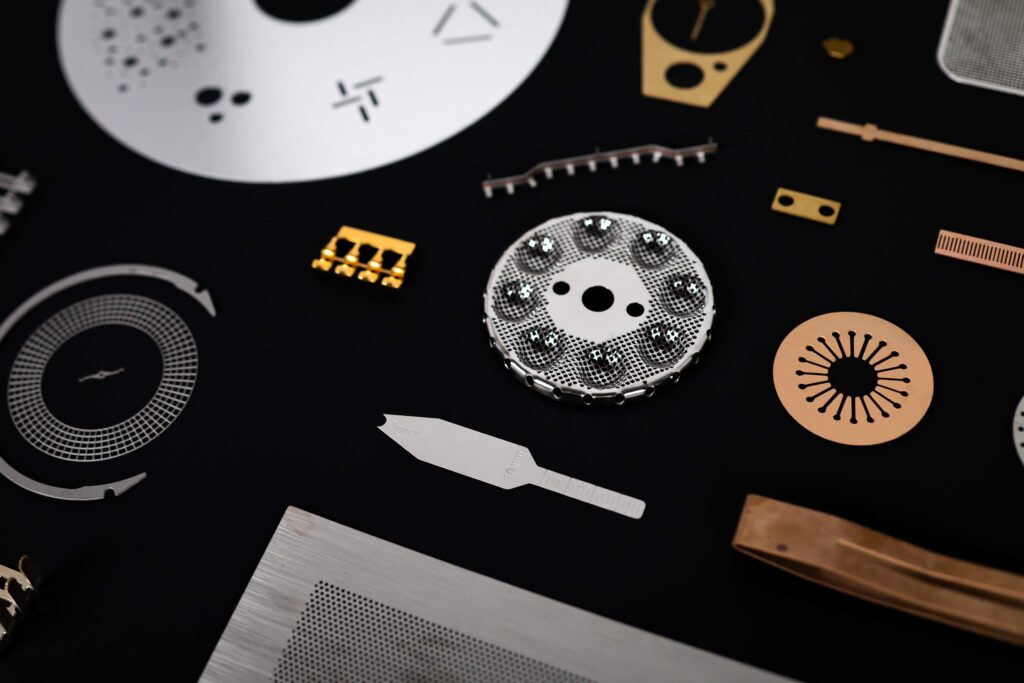
As electronic systems become more sophisticated, they also become increasingly vulnerable to electromagnetic interference (EMI) and radio frequency interference (RFI). From defense electronics and telecommunications equipment to industrial control systems and medical devices, unwanted electromagnetic emissions can disrupt performance, reduce reliability, and create compliance challenges.
While conductive enclosures provide the first line of defense against interference, they are only effective if electrical continuity is maintained across every seam, joint, door, and removable panel. Even small gaps around access panels, removable covers, or enclosure doors can allow electromagnetic energy to escape or penetrate the enclosure.
This is where fingerstock gaskets play an important role. These precision spring-contact shielding components create continuous electrical contact between mating surfaces, helping maintain enclosure integrity even after thousands of opening and closing cycles.
Microphoto manufactures precision photochemically etched and formed shielding components for demanding applications where performance, reliability, and dimensional accuracy are critical. Our experience producing intricate EMI shielding solutions helps engineers solve complex enclosure challenges while meeting strict performance requirements.
In this article, we’ll explain how fingerstock gaskets work, why they’re widely used for EMI/RFI shielding, and when they offer the best solution compared to other shielding technologies.
Fingerstock gaskets are precision spring-metal shielding components designed to maintain electrical continuity between conductive enclosure surfaces.
Sometimes referred to as finger stock, EMI shielding strips, or finger-strip gaskets, these components consist of a series of closely spaced spring fingers formed from thin metal. When compressed between conductive surfaces, each finger acts as an independent contact point, creating numerous conductive pathways across enclosure openings.
Unlike solid seals, fingerstock remains flexible while maintaining excellent electrical contact, making it ideal for applications where doors, covers, or removable panels require regular access.
The name comes from the repeated spring-finger geometry that resembles a row of closely spaced fingers extending from a continuous strip.
Many manufacturers produce these shielding elements as continuous coils, allowing them to be cut and formed into custom lengths for specific enclosure designs.
The primary purpose of a fingerstock gasket is maintaining grounding continuity across openings in conductive enclosures.
When a panel or door closes, the spring fingers compress against opposing conductive surfaces, creating numerous electrical contact points.
This continuous conductive pathway helps prevent electromagnetic energy from leaking through enclosure gaps.
Without this contact, small openings between enclosure sections can behave like unintended antennas, allowing interference to enter or escape.
By maintaining electrical continuity during repeated opening and closing cycles, fingerstock gaskets help preserve enclosure shielding performance over the product’s service life.
Modern electronic equipment operates in increasingly crowded electromagnetic environments.
Wireless communications, power electronics, radar systems, switching power supplies, and high-speed digital circuits all generate electromagnetic emissions that can interfere with nearby equipment.
Likewise, sensitive electronics must often be protected from external interference that could affect accuracy or operation.
EMI refers to unwanted electromagnetic energy that disrupts electronic equipment. RFI is a subset of EMI that specifically involves radio-frequency emissions.
Common sources include:
Without adequate shielding, this interference may affect nearby electronic devices, resulting in degraded performance or complete system failure.
Insufficient enclosure shielding can lead to numerous problems, including:
For industries such as aerospace, defense, and telecommunications, maintaining effective shielding is essential for both operational performance and regulatory compliance.
Fingerstock gaskets have become one of the most widely used solutions for maintaining reliable EMI/RFI shielding across removable enclosure interfaces. Their unique spring-contact design combines excellent electrical performance with long-term durability, making them well suited to applications where shielding effectiveness and equipment accessibility are equally important.
The key benefits include:
One of the primary advantages of fingerstock gaskets is their exceptional shielding effectiveness.
Because dozens of spring fingers remain in contact simultaneously, they create highly conductive pathways capable of attenuating electromagnetic energy across a broad frequency range.
This continuous electrical contact helps maintain enclosure integrity while minimizing leakage around access doors and removable panels.
For applications requiring high shielding performance, fingerstock remains one of the industry’s preferred solutions.
Unlike many sealing materials that lose effectiveness after repeated use, fingerstock gaskets are specifically designed for repeated compression.
Their spring geometry allows them to flex thousands of times while maintaining reliable electrical contact.
This durability makes them particularly valuable for equipment requiring regular inspection, maintenance, or servicing.
Many EMI shielding applications require routine access to internal electronics.
Unlike permanent shielding methods, fingerstock allows enclosure doors and removable panels to open repeatedly without sacrificing shielding performance.
This makes them particularly effective for:
Maintenance personnel can quickly access equipment while preserving long-term shielding reliability.
Fingerstock gaskets are available in a wide range of configurations.
Engineers can specify different:
These options allow shielding solutions to be optimized for specific enclosure requirements.
Material selection directly influences shielding performance, durability, and environmental resistance.
Beryllium copper is one of the most commonly used materials for precision fingerstock gaskets.
This alloy combines several properties that make it ideal for spring-contact shielding applications.
Benefits include:
Its combination of conductivity and elasticity allows spring fingers to maintain reliable contact even after repeated compression cycles.
Although beryllium copper remains the industry standard, certain applications require alternative materials or specialized surface treatments.
Depending on performance requirements, fingerstock may incorporate:
The selected finish depends on factors such as environmental exposure, galvanic compatibility, wear resistance, and long-term durability.
Some applications also require compatibility with enclosure materials such as aluminum, making finish selection an important design consideration.
For harsh operating conditions or systems exposed to moisture, salt, or chemicals, corrosion-resistant finishes help maximize service life while maintaining consistent shielding performance.
Whether selecting the base alloy or final plating, engineers should consider the application’s mechanical requirements, operating environment, expected lifecycle, and enclosure design to ensure the shielding solution delivers reliable long-term performance.
Selecting the right EMI shielding solution depends on more than shielding performance alone. Engineers must also consider accessibility, environmental conditions, enclosure design, maintenance requirements, and product lifecycle.
Fingerstock gaskets are particularly effective where removable panels, doors, or service covers require repeated opening and closing without compromising EMI performance.
Defense systems often operate in demanding environments where equipment reliability is mission-critical.
Fingerstock gaskets are commonly specified for:
Their ability to maintain electrical contact through repeated maintenance cycles makes them well suited to military platforms requiring dependable EMI/RFI shielding.
Telecommunications infrastructure depends on effective shielding to protect high-speed signals and minimize interference.
Common applications include:
Because technicians frequently service these systems, fingerstock provides an excellent balance between accessibility and shielding performance.
Aircraft electronics operate in complex electromagnetic environments where shielding integrity is essential.
Fingerstock gaskets are widely used within:
Their lightweight construction and consistent spring performance make them suitable across an extreme operating temperature range encountered in many aerospace applications.
Industrial automation equipment often contains sensitive electronics housed within metal control cabinets.
Fingerstock helps maintain electrical continuity across enclosure seams while allowing maintenance personnel to easily access internal components during servicing.
Applications include:
Precision measurement systems are particularly susceptible to electromagnetic interference.
Fingerstock gaskets help protect high-performance instrumentation by maintaining continuous shielding around removable access doors, calibration panels, and service compartments.
No single shielding solution is ideal for every application. Understanding how fingerstock compares with other shielding technologies can help you make more informed design decisions.
Conductive elastomer shielding gaskets combine flexible polymers with conductive fillers to provide both environmental sealing and electromagnetic shielding.
They are often selected when protection against dust, moisture, or fluids is equally important as EMI performance.
However, conductive elastomers generally experience greater compression set over time than spring-metal solutions and may lose contact pressure after repeated cycling.
Fingerstock gaskets are typically preferred when frequent enclosure access and long-term spring performance are primary design requirements.
Wire mesh gaskets consist of knitted conductive wire that compresses between enclosure surfaces.
They provide effective shielding for certain applications but may be more susceptible to permanent deformation after repeated use.
Compared with wire mesh, fingerstock generally provides:
Board-level shielding addresses electromagnetic interference generated within electronic assemblies themselves.
Rather than sealing enclosure openings, these shields isolate individual circuits or components on printed circuit boards.
Fingerstock serves a different purpose by maintaining electrical continuity between larger enclosure sections, doors, and removable panels.
Many electronic systems use both approaches together to maximize overall shielding performance.
The best shielding solution depends on several factors, including:
In many enclosure designs, fingerstock provides the ideal combination of durability, accessibility, and electrical performance.
Successful shielding begins during enclosure design. Considering gasket performance early helps engineers avoid costly redesigns later in development.
Proper compression ensures reliable electrical contact without overstressing the spring fingers.
Insufficient compression may reduce electrical continuity, while excessive compression can shorten gasket life.
Engineers should carefully evaluate enclosure tolerances, closure forces, and gasket geometry when selecting a fingerstock profile.
Several attachment options are available depending on enclosure design.
Common mounting methods include:
The selected approach should support consistent installation while simplifying future maintenance.
Several enclosure design features influence shielding performance, including:
Optimizing these factors helps maximize electrical continuity throughout the enclosure.
Application environments should always influence gasket selection. Engineers should evaluate exposure to:
While some fingerstock products are suitable for outdoor environments, others perform best in indoor or controlled environments where contamination and corrosion are minimized.
Fingerstock is specifically engineered for repeated use.
When properly specified and installed, these spring-contact components maintain reliable electrical contact through thousands of compression cycles.
Lifecycle planning should also consider inspection intervals, maintenance schedules, and replacement procedures to ensure continued shielding performance throughout the equipment’s operational life.
A fingerstock gasket is a spring-metal EMI shielding component that maintains electrical continuity between conductive enclosure surfaces. Its flexible finger design allows repeated compression while preserving shielding performance.
Each spring finger compresses independently to create multiple electrical contact points between conductive surfaces. These contact strips form continuous conductive pathways that reduce electromagnetic leakage through enclosure gaps.
Most fingerstock gaskets are manufactured from beryllium copper because of its excellent conductivity, spring properties, and corrosion resistance. Depending on the application, additional alloys and plated finishes may also be specified.
Service life depends on the application, operating environment, compression levels, and maintenance practices. Properly designed fingerstock gaskets can maintain consistent performance through thousands of opening and closing cycles.
Yes. Unlike some alternative shielding solutions, fingerstock is specifically designed for repeated use, making it well suited to equipment requiring regular servicing or inspection.
Fingerstock is widely used throughout defense, aerospace, telecommunications, industrial electronics, medical equipment, and high-performance electronic systems where reliable EMI shielding is essential.
Conductive elastomers provide both environmental sealing and EMI shielding, while fingerstock focuses on maintaining electrical continuity with exceptional durability during repeated compression. The best choice depends on the application’s sealing requirements, maintenance needs, and performance objectives.
Fingerstock gaskets play an essential role in maintaining reliable EMI/RFI shielding wherever electronic enclosures require frequent access. Their spring-contact design preserves electrical continuity across doors, seams, and removable panels, helping prevent electromagnetic leakage without compromising serviceability.
Compared with many alternative shielding solutions, fingerstock offers outstanding durability, excellent shielding performance, and consistent operation across repeated compression cycles. These advantages have made it a trusted solution for engineers designing equipment used in defense, telecommunications, aerospace, industrial automation, and other demanding electronic applications.
At Microphoto, we manufacture precision photochemically etched and formed shielding components that help customers meet challenging EMC requirements while supporting long-term product reliability. Whether your application requires standard fingerstock profiles or custom-engineered shielding solutions, our team can help develop components that integrate seamlessly into your enclosure design and deliver dependable performance throughout the product lifecycle.
Microphoto works with engineers and procurement teams to develop precision EMI shielding components tailored to the unique requirements of each application. From concept through production, our team can help identify the best solution for your enclosure design, operating environment, and compliance goals.
Contact Microphoto today to request a quote for custom fingerstock gaskets and precision EMI shielding components designed for demanding electronic applications.